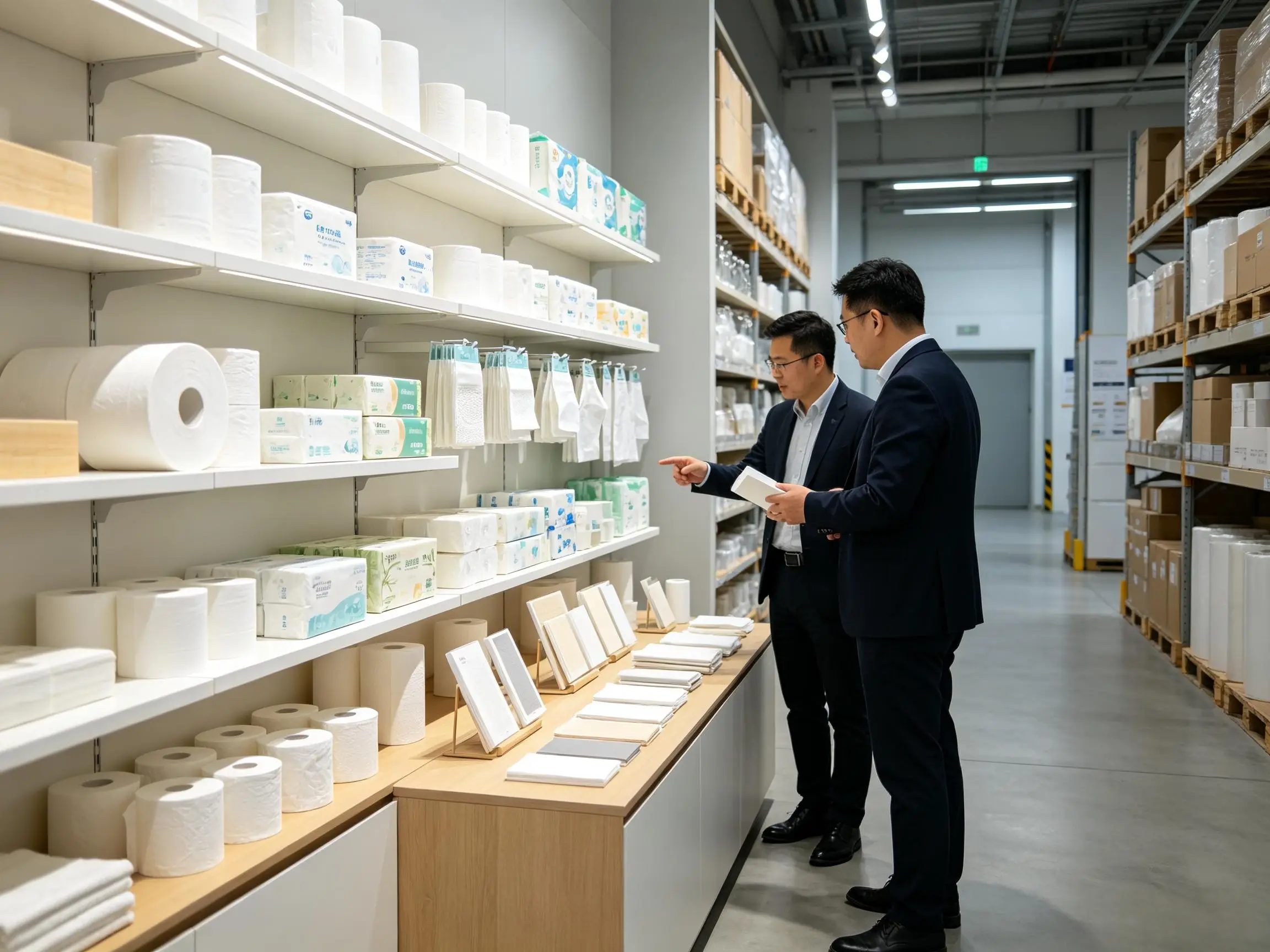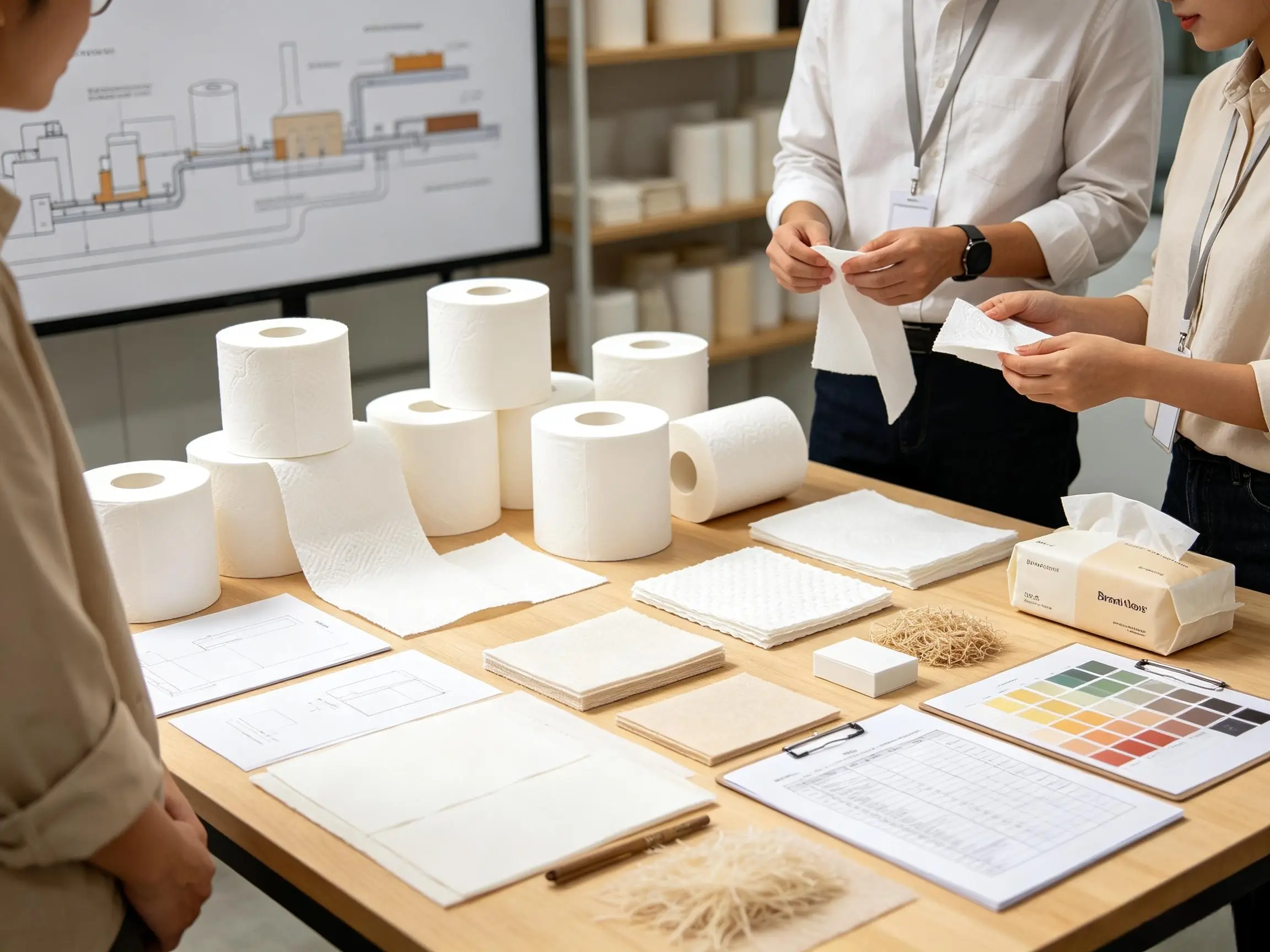
Starting your own toilet paper brand may seem simple at first. Toilet paper is an everyday necessity with steady demand, but building a successful private label product requires more than putting a logo on a package.
You need to understand your target market, choose suitable product specifications, select the right materials, design packaging, work with a reliable manufacturer and develop a supply plan that fits your business.
For wholesalers, distributors, retailers and entrepreneurs, private label toilet paper can be an effective way to create a differentiated product line and build a long-term brand.
Here is a practical step-by-step guide to starting your own toilet paper brand.
1. Define Your Target Market
Before choosing the product, identify who you want to sell to.
Your target customers could include supermarkets, wholesalers, convenience stores, hotels, restaurants, distributors or household consumers.
Different markets have different expectations.
For example, a premium household toilet paper brand may focus on softness, attractive packaging and higher ply, while a value-oriented product may focus on affordability, sheet count and efficient packaging.
Commercial toilet paper may prioritize larger rolls, higher capacity and reduced replacement frequency.
Understanding your target market will help you make better decisions about quality, specifications and pricing.
2. Choose Your Product Positioning
Your brand needs a clear product position.
You could develop a:
- Value toilet paper line
- Standard everyday toilet paper
- Premium toilet paper
- Bamboo toilet paper
- Eco-conscious tissue line
- Commercial toilet paper range
If you want to build a sustainable brand, bamboo or other renewable fiber options may be worth considering.
If your priority is softness and everyday comfort, virgin wood pulp can be a suitable material option.
The important point is to make sure your product positioning matches your target customers and expected retail price.
3. Select the Right Tissue Material
Material selection has a direct impact on softness, strength, absorbency and cost.
Virgin wood pulp is widely used in tissue products because it can provide a good balance of softness and strength.
Recycled materials may be suitable for certain markets where recycled content is an important selling point.
Bamboo fiber is another option for brands looking to emphasize renewable resources and environmental considerations.
When developing your product, discuss the available material options with your manufacturer rather than choosing based only on price.
A professional supplier can help you compare different materials based on your target quality, market requirements and budget.
4. Decide on Product Specifications
Next, determine the basic specifications of your toilet paper.
These may include:
- 2-ply, 3-ply or other ply options
- Sheet size
- Sheet count
- Roll length
- Roll diameter
- Core size
- Embossing pattern
- Roll quantity per pack
You do not necessarily need to make the product completely unique.
Many successful private label brands use familiar specifications while differentiating themselves through packaging, quality positioning and brand identity.
Your manufacturer can also help you select specifications that balance product performance, packaging size and shipping efficiency.
5. Create Your Brand Identity
A strong toilet paper brand needs more than a name.
Think about your:
- Brand name
- Logo
- Colors
- Packaging style
- Product positioning
- Brand message
- Target customer
For example, a natural-focused brand may use a clean and minimal visual identity with natural colors and imagery related to bamboo, forests or renewable resources.
A family-focused brand may use a warmer and more approachable design.
A commercial brand may prefer a simple and professional appearance.
Your visual identity should communicate the product positioning before customers even read the packaging.
6. Design Your Packaging
Packaging is one of the most important parts of a private label toilet paper product.
It needs to protect the rolls during transportation while also communicating essential product information.
Depending on your market, packaging may include:
- Product name
- Brand name
- Ply
- Sheet count
- Roll size
- Material information
- Product features
- Usage information
- Barcode
- Manufacturer or importer information
- Applicable certifications or compliance information
Your OEM manufacturer may be able to provide packaging customization and design support, helping you develop packaging that is suitable for your target market.
7. Request Samples Before Mass Production
Never rely only on photos or product descriptions when developing a new tissue brand.
Request physical samples and evaluate:
- Softness
- Strength
- Absorbency
- Sheet size
- Roll size
- Embossing
- Packaging
- Overall appearance
If possible, compare the sample with products already sold in your target market.
This will help you determine whether the quality and specifications are appropriate before committing to a large order.
8. Understand MOQ and Pricing
OEM products usually require a minimum order quantity.
Before placing an order, confirm the MOQ for the product, packaging and customized printing.
You should also calculate the complete landed cost, not just the factory price.
Your budget may need to include:
- Product cost
- Packaging cost
- Printing or artwork costs
- Sample costs
- Shipping
- Import duties
- Local transportation
- Warehousing
A product that has a low factory price may not necessarily have the lowest total cost after transportation and other expenses.
9. Choose a Reliable OEM Manufacturer
The manufacturer you choose can have a major impact on your brand.
Look for a supplier with:
- Established manufacturing experience
- Stable production capacity
- Consistent quality control
- Flexible OEM capabilities
- Clear communication
- Reliable delivery
- International export experience
It is also useful to ask whether the manufacturer can support your brand as it grows.
You may begin with one product and later expand into facial tissue, kitchen paper, paper napkins or other tissue products.
Working with one experienced tissue manufacturer can make future product expansion easier.
10. Build a Long-Term Product Line
A successful toilet paper brand does not have to remain limited to one product.
Once your core toilet paper product is established, you can consider expanding into complementary categories such as facial tissue, kitchen paper, paper napkins and other household or commercial tissue products.
This allows your brand to become a broader tissue paper brand rather than relying on a single product.
The key is to expand gradually and maintain consistent quality and brand positioning.
Conclusion
Starting your own toilet paper brand requires careful planning, from understanding your target market and choosing the right materials to developing product specifications, packaging and a reliable supply plan. The right manufacturing partner can help simplify this process and turn your product concept into a market-ready solution.
At Tissuego, we have the manufacturing experience and OEM capabilities to support these needs. With 16+ years of industry experience, 15 production lines and a monthly supply capacity of 30,000+ tons, we provide customized tissue paper solutions for wholesalers, retailers, brands and supply chain partners worldwide.
Whether you are developing a new toilet paper brand, looking for private label products or expanding your existing tissue product line, we can support you with material selection, product specifications, embossing, packaging customization, sampling and mass production.
Tell us about the product you are interested in, your target market, product positioning, expected specifications and customization requirements. Our team will be happy to provide more information and discuss a suitable OEM solution for your market.
Let’s turn your tissue paper idea into a product ready for your market.